When Should You Replace a Cracked Driveway? A Guide for Cumming, GA Homeowners
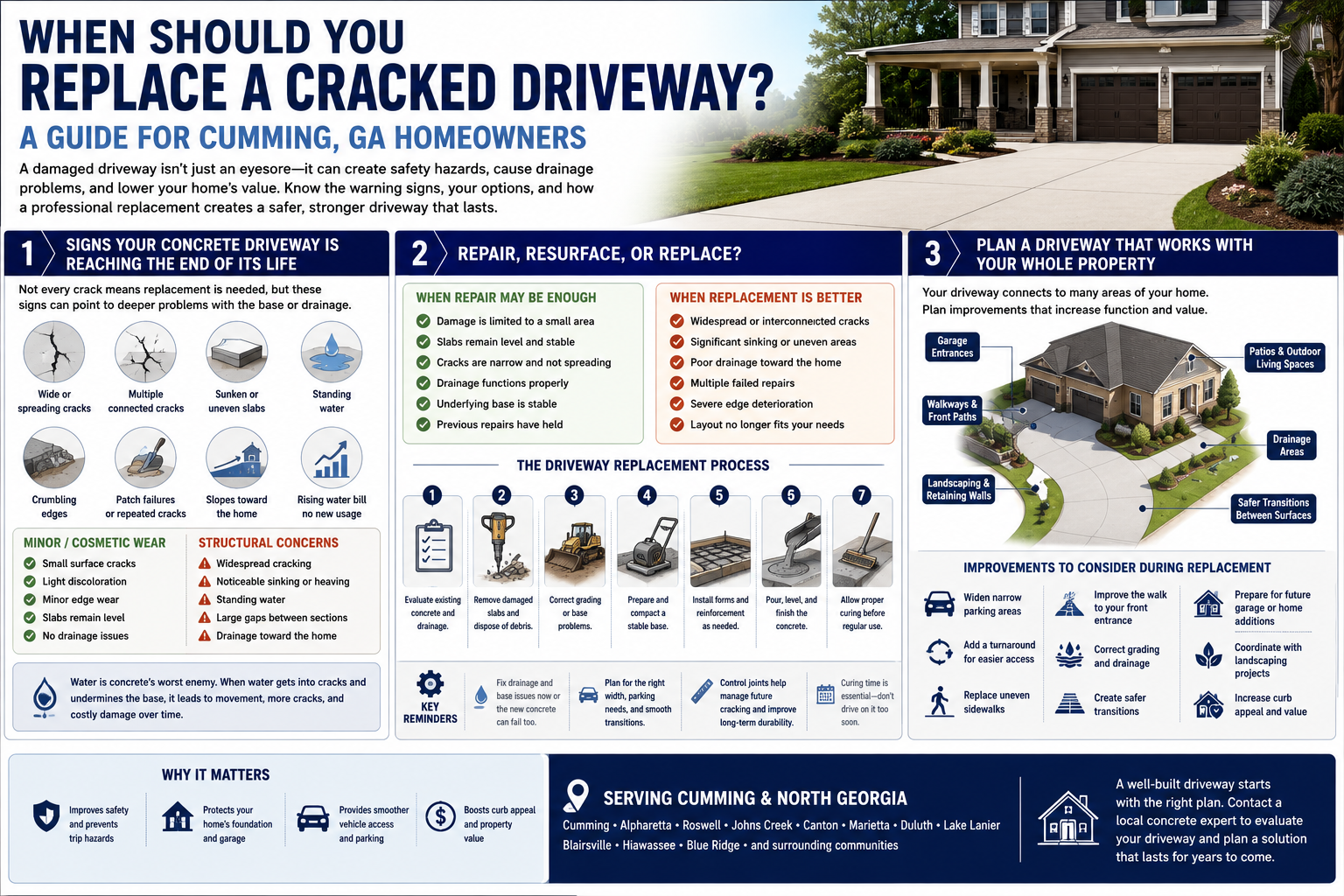
Signs Your Concrete Driveway Is Reaching the End of Its Life
A concrete driveway is one of the hardest-working surfaces around a home. It supports vehicles, handles daily foot traffic, connects the street to the garage, and plays a major role in the first impression visitors have of the property. Because homeowners use it so routinely, gradual changes can be easy to overlook until cracks, uneven sections, or drainage problems become difficult to ignore.
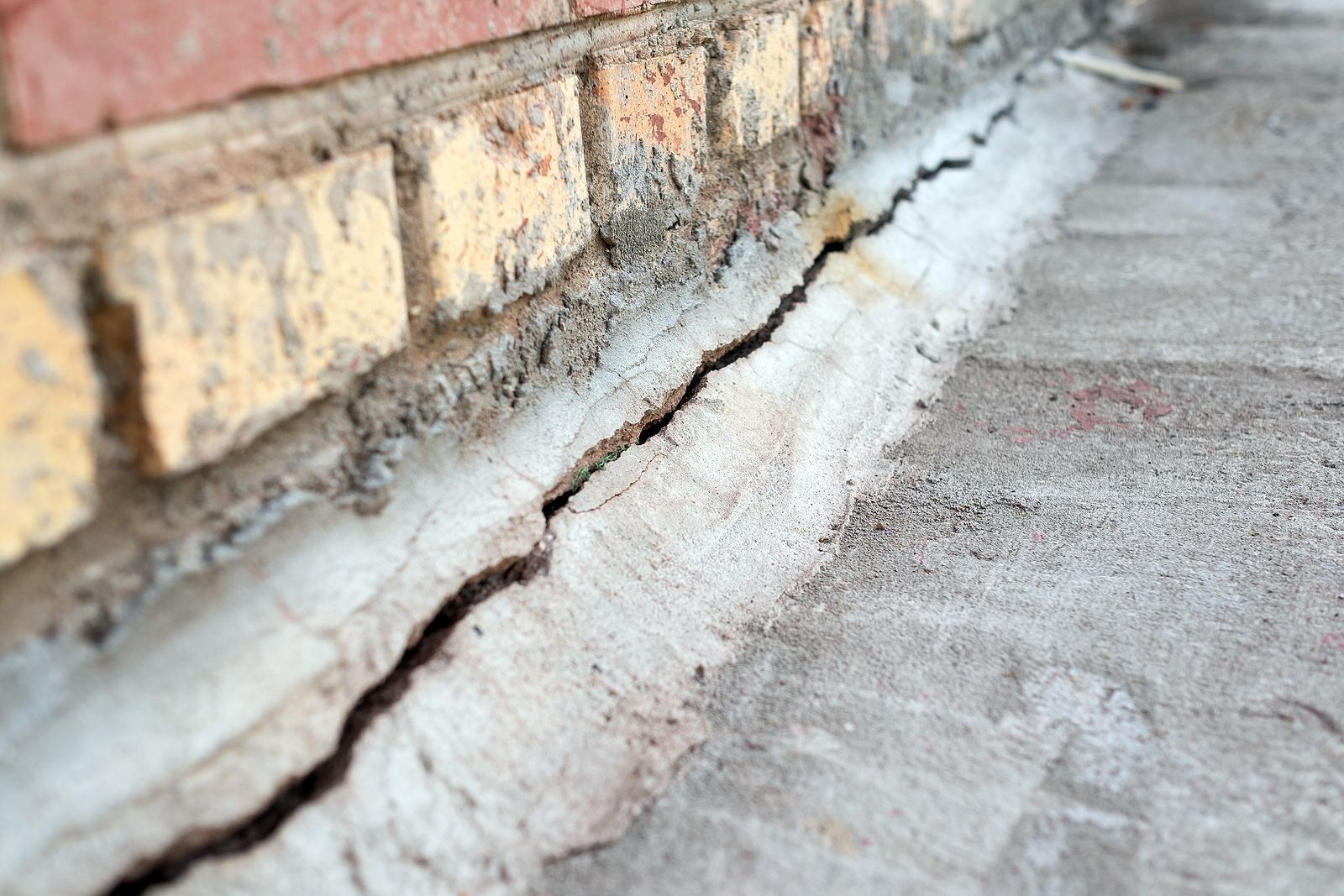
Not every crack means the entire driveway needs to be replaced. Small surface cracks may develop as concrete ages, and some can be repaired before they spread. The more important question is whether the damage is limited to the surface or connected to a deeper problem involving the soil, base, drainage, or overall slab movement.
Driveways in Cumming and throughout North Georgia can be affected by sloped lots, changing soil conditions, heavy rainfall, tree-root growth, and water moving beneath or around the concrete. If the ground under the driveway was not properly prepared and compacted, portions of the slab may eventually settle. Water can also wash away supporting soil, leaving sections of concrete with less stability than they need.
Common signs that a concrete driveway may need professional evaluation include:
- Wide cracks that continue growing across the slab
- Several cracks that connect and form broken sections
- Sunken, tilted, or uneven areas
- Standing water after rainfall
- Crumbling edges near the street, garage, or walkway
- Patches that repeatedly crack or separate
- Concrete that slopes toward the home or garage
- Large gaps between driveway sections
- Visible erosion along the sides of the driveway
One isolated hairline crack is usually very different from a driveway with multiple wide cracks and noticeable movement. Cosmetic wear may affect appearance without making the surface unstable. Structural concerns are more likely when the concrete has shifted, sunk, separated, or developed areas that no longer sit at the same height.
Uneven concrete can create more than an appearance problem. Raised edges and sunken sections may become tripping hazards for family members, visitors, delivery drivers, and anyone walking between the driveway and front entrance. They can also make it harder to move trash cans, strollers, bicycles, lawn equipment, or mobility devices across the property.
Vehicle access can also be affected. A sunken section near the garage may cause tires to drop or scrape against the slab edge. Crumbling concrete near the street may create a rough transition each time a vehicle enters or exits. Over time, repeated vehicle weight can place additional stress on already weakened areas.
Drainage is one of the biggest factors in driveway performance. Water should move away from the home and across the property in a controlled direction. If it collects in low spots, flows toward the garage, or runs beneath the edge of the slab, it can contribute to erosion and settlement.
Homeowners should pay particular attention to cracks that remain wet long after surrounding surfaces have dried. Water entering those openings may reach the base below the concrete. As supporting material shifts or washes away, the slab may begin moving, causing the crack to widen and nearby sections to become uneven.
The following differences can help homeowners understand whether the issue may be minor or more significant:
- Minor wear: Small surface cracks, light discoloration, or limited chipping with no slab movement
- Moderate concern: Repeated cracking, worn edges, isolated low spots, or patches that are beginning to fail
- Larger concern: Widespread cracking, noticeable sinking, standing water, severe erosion, or sections moving independently
Age can also influence the decision. Older concrete may have experienced years of vehicle traffic, weather exposure, drainage changes, and previous repairs. Age alone does not mean replacement is required, but an older driveway with extensive damage may not be a good candidate for continued patching.
Tree roots are another possible source of movement. Large roots may lift one portion of the driveway while nearby sections remain in place. Removing a tree does not automatically correct the damaged slab or the conditions below it, so the surrounding area should be evaluated before new concrete is installed.
A professional concrete contractor can inspect the crack pattern, drainage, elevation, surrounding soil, and condition of the base. That evaluation helps determine whether a localized repair may be sufficient or whether replacing part or all of the driveway would provide a more dependable long-term solution.
For Cumming homeowners, addressing driveway problems early can prevent the damage from spreading into walkways, garage entrances, landscaping, or drainage areas. The goal is not simply to cover the cracks. It is to understand why they developed and choose a solution that improves the way the entire property functions.
Can the Existing Concrete Be Repaired?
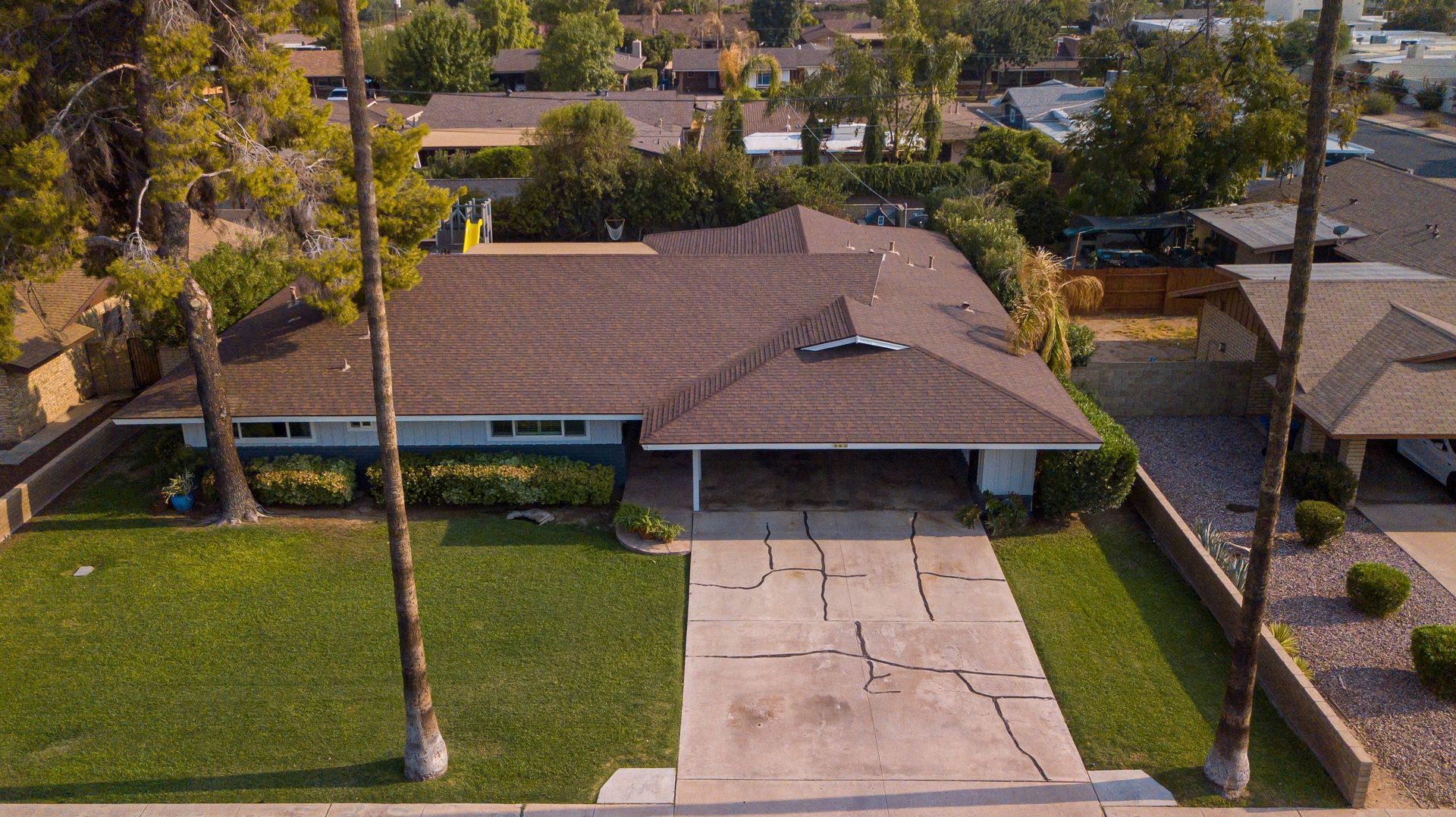
Once damage is visible, homeowners often wonder whether the driveway can be repaired or whether replacement is unavoidable. The answer depends on the condition of the concrete, the stability of the base, the extent of the cracking, and whether drainage or grading problems are contributing to the damage.
Minor cracks may sometimes be filled or sealed to limit water intrusion and improve the appearance of the surface. A small damaged area may also be removed and replaced when the surrounding concrete remains level, stable, and structurally sound.
Resurfacing may be considered when the driveway has widespread cosmetic wear but the slabs below remain stable. This process adds a new surface layer, but it does not correct significant settlement, shifting, or base failure. Applying a new surface over moving concrete may only hide the problem temporarily.
Repair may make sense when:
- The damage is limited to one small area
- The existing slabs remain level
- Cracks are narrow and not rapidly expanding
- Water drains away from the home properly
- The concrete base appears stable
- Previous repairs have remained intact
- The driveway layout still fits the household’s needs
Replacement may be the better long-term option when cracking is present across several sections, slabs have sunk or lifted, or repeated patches continue failing. It may also make sense when the driveway directs water toward the home, no longer provides enough parking space, or needs to be redesigned as part of another construction project.
Signs that replacement deserves serious consideration include:
- Widespread or interconnected cracking
- Large areas of settlement or heaving
- Drainage that flows toward the garage or foundation
- Severe edge deterioration
- Multiple failed patches
- Movement caused by erosion or poor base preparation
- A driveway that is too narrow or poorly configured
Replacing damaged concrete without correcting the cause can allow the same problems to return. If poor drainage washed away part of the base, the drainage should be improved. If the underlying soil was not compacted correctly, the replacement area must be prepared properly before concrete is poured.
What Goes Into a Proper Driveway Replacement?
A quality driveway replacement begins long before fresh concrete arrives. The contractor should evaluate how the existing surface failed, how water moves across the property, and whether the new layout should remain the same or be improved.
The typical driveway replacement process includes:
- Inspecting the existing concrete, surrounding soil, and drainage patterns
- Removing the damaged slabs and disposing of the old material
- Correcting grading, erosion, or base problems
- Preparing and compacting a stable foundation for the new driveway
- Installing forms and reinforcement where appropriate
- Pouring, leveling, and finishing the new concrete
- Creating joints to help control future cracking
- Allowing adequate curing time before regular vehicle use
Base preparation is one of the most important parts of the project because concrete depends on the material beneath it for support. A surface that looks smooth and attractive at installation may still develop problems later if the base is soft, uneven, or poorly compacted.
Grading should also be planned carefully. The driveway needs enough slope to direct water away from the home without creating an uncomfortable transition, a difficult garage entrance, or excessive runoff toward neighboring areas. On sloped North Georgia properties, even small elevation changes can affect how water travels during heavy rain.
Homeowners should use the replacement process as an opportunity to review how the driveway functions. A narrow driveway may not provide enough room for two vehicles. A sharp turn may make garage access difficult. An awkward transition to the street may create scraping or drainage problems.
Possible layout improvements include widening the parking area, adjusting the curve, adding a turnaround, improving the connection to the garage, or creating a clearer walkway to the front entrance. These changes are often easier to address while the existing concrete is already being removed.
Joint placement is another important detail. Concrete naturally experiences small amounts of movement, and properly planned control joints encourage cracking to occur in more predictable locations. While joints cannot prevent every crack, they are an important part of a durable installation.
The finish should also match how the driveway will be used. Texture can improve traction, especially on sloped areas, while edging and clean transitions can make the new driveway look more connected to the home, landscaping, garage, and walkways.
Curing time should never be rushed. Concrete begins hardening quickly, but it continues gaining strength over time. Driving on the surface too soon can damage the finish or affect the new slab before it is ready for regular use.
A properly planned replacement should solve more than the visible cracking. It should improve drainage, restore a stable surface, create safer access, and fit the way the household uses the property. That broader approach helps homeowners receive more lasting value from the project.
How Driveways, Walkways, and Drainage Work Together
A driveway should not be treated as an isolated slab of concrete. It connects with the street, garage, front walkway, landscaping, drainage system, and other outdoor features. When one of those elements changes, it can affect how the driveway performs.
For example, a walkway that has settled may create a raised edge where it meets the driveway. A new retaining wall may change the direction of runoff. Landscaping beds can trap water along the concrete edge, while downspouts may discharge water toward an already vulnerable section.
Planning the entire area together helps create smoother transitions and more dependable drainage. It also allows the finished project to look intentional rather than like several unrelated surfaces installed at different times.
During a driveway replacement, homeowners may consider improvements such as:
- Widening a narrow parking area
- Adding room for an additional vehicle
- Creating a turnaround for safer street access
- Replacing uneven sidewalks or front walkways
- Improving drainage near the garage or foundation
- Creating safer transitions between concrete surfaces
- Adjusting steps, porches, or entry paths
- Preparing for a future garage or home addition
- Coordinating the driveway with landscaping or retaining walls
The connection to the garage deserves particular attention. The transition should be smooth enough for vehicles while still preventing water from flowing into the garage. If the driveway has settled away from or below the garage slab, the replacement design should account for the difference in elevation.
Walkways should provide a clear, comfortable route from parking areas to the front entrance. If visitors regularly step across grass or navigate uneven concrete, the replacement project may be an opportunity to create a more direct and welcoming path.
Drainage improvements can include correcting low spots, adjusting slope, redirecting runoff, or coordinating the concrete with surrounding grading. The exact solution depends on the property, but water should not be allowed to collect beside the slab or move toward the home.
Homeowners planning other construction should discuss those projects before replacing the driveway. A future garage, home addition, pool, patio, retaining wall, or major landscaping change may affect access, excavation, or final elevations. Coordinating the work can prevent newly installed concrete from being cut, removed, or damaged later.
This type of planning is especially useful when one contractor can consider the concrete alongside structural, remodeling, and outdoor construction needs. The driveway can then be designed as part of the property rather than as a stand-alone repair.
Concrete Driveway Construction in Cumming and North Georgia
Replacing a cracked driveway can improve safety, drainage, access, and curb appeal at the same time. The best results come from looking beyond the visible cracks and addressing the conditions that caused the concrete to fail.
HG Construction works with homeowners on concrete, structural, renovation, and exterior improvement projects. That broad experience can be valuable when a driveway replacement connects with other parts of the home, such as walkways, additions, patios, retaining features, or future construction plans.
A professional driveway evaluation can help determine:
- Whether the existing concrete can be repaired
- Whether damaged sections should be replaced
- What caused the cracking or settlement
- How drainage should be improved
- Whether the driveway layout should change
- How the project connects with walkways and landscaping
- Whether future construction should be considered now
Homeowners should also consider how long they plan to remain in the home and how the driveway affects everyday use. A replacement can make parking easier, improve the approach to the garage, reduce tripping hazards, and create a cleaner appearance from the street.
The project should begin with clear measurements, an understanding of drainage, and a realistic plan for demolition, installation, and curing. Rushing those steps may save time initially but can affect the long-term performance of the finished driveway.
For properties in Cumming, Alpharetta, Roswell, Johns Creek, Canton, Marietta, Duluth, Lake Lanier, Blairsville, Hiawassee, Blue Ridge, and surrounding North Georgia communities, local terrain should be part of the planning process. Slopes, soil conditions, tree coverage, and heavy rainfall can all influence the design and preparation required.
If your driveway has widespread cracks, sinking slabs, drainage problems, crumbling edges, or repeated repairs, contact HG Construction for an evaluation. The team can inspect the existing concrete, discuss repair and replacement options, and help plan a driveway that works with the rest of your property.
A new driveway is more than a cosmetic upgrade. When it is designed and installed correctly, it can support safer access, better water management, and more convenient use of the home for years to come.